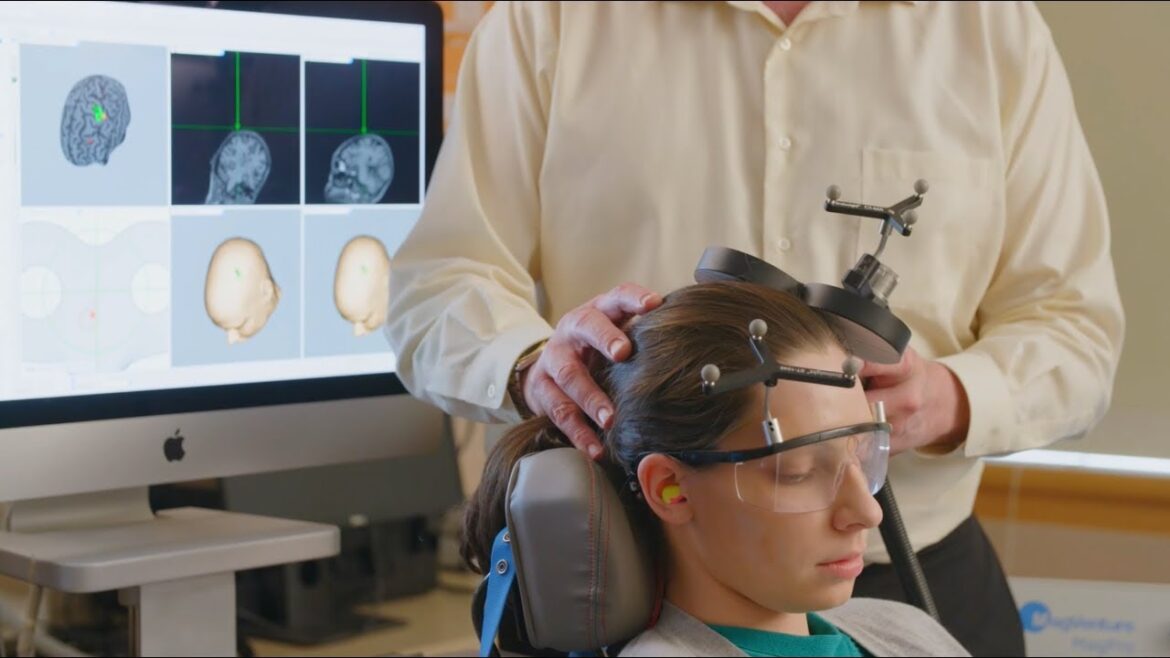
Brain Stimulation Therapy is a medical approach that focuses on influencing brain activity using specialized techniques and technologies. It involves stimulating or regulating neural pathways either directly or indirectly through methods like transcranial magnetic stimulation (TMS), electroconvulsive therapy (ECT), deep brain stimulation (DBS), and others. These therapies are designed to address a wide range of neurological and psychiatric conditions, especially in cases where conventional treatments may not deliver the desired results.
Exploring Brain Stimulation Therapy for Complex Mental Health Conditions
While many individuals with mental health conditions benefit from standard approaches like psychotherapy and medication, there are situations where these methods fall short. Conditions involving severe mood disturbances or persistent, intrusive thoughts and behaviors, like depression and obsessive-compulsive disorder, can sometimes be difficult to manage with traditional care alone. In such instances, brain stimulation therapy offers an alternative pathway by directly targeting the brain’s functioning. This form of therapy works by applying controlled electrical currents or magnetic fields to specific areas of the brain. These targeted interventions help activate or suppress certain neural circuits, ultimately influencing the way the brain communicates. As a result, important neurotransmitters like serotonin and dopamine may be regulated, contributing to improved mood, cognition, and emotional balance.
One of the notable benefits of brain stimulation therapy is its potential to reduce reliance on medications. For some individuals, this can mean fewer side effects and a more comfortable treatment experience. As symptoms begin to improve, people often find it easier to reconnect socially, return to work, and engage in meaningful daily activities. In certain cases, results may also appear faster compared to traditional treatments, making it particularly useful in severe or urgent situations.
The roots of brain stimulation therapy can be traced back to ancient practices where natural electrical sources, such as electric fish, were used for healing purposes. Over time, scientific advancements led to more structured and effective methods. The early 20th century saw the development of ECT for serious psychiatric conditions, followed by the introduction of TMS in the 1980s as a non-invasive option. Later, DBS emerged as a breakthrough for both neurological and psychiatric disorders, marking significant progress in this field.
With ongoing developments in brain imaging and neuroscience, modern brain stimulation techniques have become increasingly precise and personalized. These therapies now target specific neural circuits with greater accuracy, improving outcomes and reducing risks. Today, brain stimulation therapy includes a variety of methods that aim to treat mental health disorders, neurological issues, and chronic pain by carefully modulating brain activity. The primary goal of this approach is to reduce or eliminate symptoms associated with various conditions while restoring balance in brain function. By adjusting neural circuits, it seeks to enhance both cognitive and emotional well-being. In some cases, it is used alongside other treatments to boost their effectiveness, creating a more comprehensive care plan. Long-term management is another important aspect of this treatment approach, as some individuals may require ongoing sessions to maintain stability and prevent relapse.