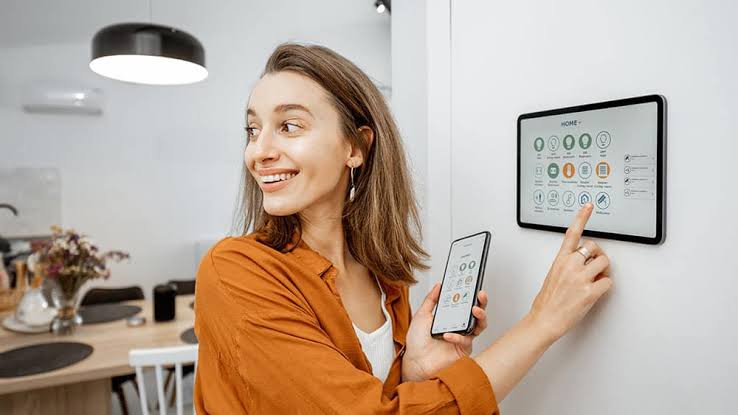
Your home’s heating and cooling system does more than simply raise or lower the temperature. The way you control it can have a major impact on comfort, energy use, equipment performance, and everyday convenience. Traditional thermostats have served homeowners well for decades, but modern technology has made it possible to manage indoor temperatures with far greater precision.
For homeowners looking to improve control without replacing their entire HVAC system, modern smart thermostats for efficiency can be an effective place to start. These devices can provide more detailed temperature management while adapting to household routines and helping reduce unnecessary heating and cooling.
Why Your Thermostat Matters More Than You Think
A thermostat is essentially the control center for your HVAC system. It tells your heating or cooling equipment when to operate based on the temperature you have selected.
An outdated or poorly positioned thermostat can make temperature management less consistent. For example, if the thermostat is located near a drafty window, direct sunlight, a kitchen, or another heat source, it may receive an inaccurate reading of the home’s overall temperature.
Even when the thermostat itself works correctly, manually adjusting it throughout the day can be inconvenient. Homeowners may forget to lower the temperature when leaving for work or change the setting before going to bed, causing the system to run longer than necessary.
Smarter controls are designed to make this process easier.
What Makes a Thermostat “Smart”?
Smart thermostats go beyond simply allowing you to set a desired temperature. Depending on the model and HVAC system, they can offer features such as programmable schedules, remote access, temperature sensors, usage information, and automated adjustments.
Many models can be controlled through a smartphone app, allowing homeowners to check or adjust indoor temperatures while away from home. This can be particularly useful when plans change unexpectedly.
For instance, if you normally leave the house at 8 a.m. but end up working from home, you may be able to adjust the schedule remotely instead of allowing the system to follow its usual settings.
Some smart thermostats can also learn patterns over time. Rather than requiring homeowners to manually program every temperature change, certain systems can use established routines to make automatic adjustments.
Better Temperature Control Can Improve Comfort
Energy efficiency is an important reason homeowners consider upgrading their thermostat, but comfort is equally significant.
A properly configured thermostat can help maintain a more consistent indoor temperature instead of allowing large swings throughout the day. This can be especially helpful during periods of extreme outdoor temperatures when HVAC systems are working harder to maintain comfortable conditions.
Some smart systems can also work with additional sensors placed in different areas of the home. This may help identify temperature differences between rooms, particularly in larger homes or spaces with varying levels of sunlight and airflow.
However, homeowners should remember that a thermostat cannot solve every comfort problem. Uneven temperatures may also be caused by inadequate insulation, restricted airflow, ductwork issues, improperly sized equipment, or other HVAC concerns.
Scheduling Can Reduce Unnecessary HVAC Operation
One of the simplest ways a thermostat can help homeowners manage energy use is through scheduling.
Rather than maintaining the same temperature around the clock, homeowners can establish different settings for times when the house is occupied, sleeping, or empty.
For example, a household might prefer a different temperature during working hours than it does in the evening. A properly programmed schedule can make those changes automatically.
The key is to choose settings that are practical for the household rather than constantly making dramatic temperature changes. Extreme adjustments may cause the HVAC system to work harder when it needs to bring the home back to a comfortable temperature.
A well-planned schedule should complement the way the household actually lives.
Remote Access Adds Everyday Convenience
One of the most useful features of connected thermostats is remote access.
Through a compatible app, homeowners may be able to view their thermostat settings and make adjustments from a phone or other connected device. This can be helpful when traveling, staying late at work, or returning home earlier than expected.
Remote access can also provide peace of mind. If you leave home and realize that the HVAC system is still running according to its normal schedule, you may be able to modify the settings without returning home.
This convenience becomes particularly valuable for homeowners with irregular schedules.
HVAC Compatibility Should Come First
Before purchasing a new thermostat, homeowners should confirm that it is compatible with their existing heating and cooling equipment.
Not every HVAC system uses the same wiring, control method, or configuration. Some systems have specialized requirements, while others may need additional components for certain thermostat features to function correctly.
Installation is another important consideration. A thermostat may have impressive capabilities, but incorrect wiring or setup can prevent it from working properly.
If there is any uncertainty about compatibility or installation, consulting a qualified HVAC professional can help prevent unnecessary problems.
Placement Still Matters
Even an advanced thermostat needs to be installed in an appropriate location.
The device should generally be positioned where it can measure the home’s indoor conditions accurately. Areas exposed to direct sunlight, drafts, exterior doors, vents, or significant heat sources can produce misleading temperature readings.
Poor placement can cause the HVAC system to cycle more frequently or run longer than necessary because the thermostat believes the room is warmer or cooler than the rest of the home.
A professional can help identify a suitable location if the existing thermostat is poorly positioned.
Look Beyond the Thermostat
Upgrading your thermostat can improve how you control your HVAC system, but it should not be viewed as a substitute for regular maintenance.
Air filters should be changed or cleaned according to the equipment manufacturer’s recommendations. Outdoor units should remain clear of excessive debris, and unusual noises, weak airflow, frequent cycling, or inconsistent temperatures should not be ignored.
Routine professional maintenance can also help identify developing issues before they become larger problems.
Think of the thermostat as one part of a larger system. Better controls work best when the HVAC equipment itself is properly maintained and operating as intended.
Conclusion
The best thermostat is not necessarily the one with the longest list of features. It is the one that works with your HVAC equipment and fits naturally into your household’s routine.
Before upgrading, consider how your family uses the home, when the property is typically occupied, whether remote access would be useful, and whether different rooms experience noticeable temperature differences.
Once installed, take time to understand the thermostat’s settings rather than relying entirely on automatic features. A thoughtfully designed schedule and sensible temperature settings can make the system easier to manage while supporting a comfortable indoor environment.
Smarter heating and cooling controls are ultimately about giving homeowners greater control over the way their HVAC system operates. With the right equipment, proper installation, and realistic settings, a modern thermostat can make everyday temperature management simpler, more responsive, and potentially more efficient.