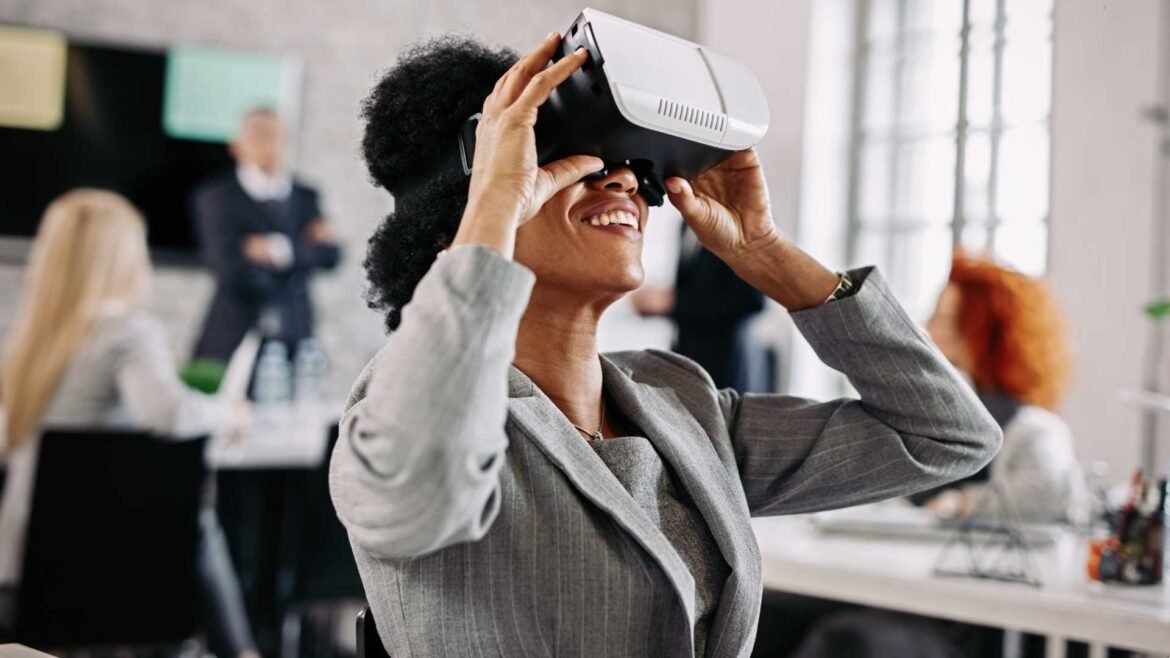
Police officers regularly encounter situations that demand more than standard law enforcement skills. They may need to assist someone experiencing a mental health crisis, calm a veteran struggling with traumatic memories, respond to a suicidal teenager, or help an elderly person experiencing dementia-related confusion. Such incidents require patience, empathy, sound judgment, and effective communication. However, officers cannot always prepare for these unpredictable encounters through conventional training methods alone.
Virtual reality or VR crisis intervention training offers a practical way to bridge this gap. By recreating challenging situations in an immersive digital environment, VR allows officers to practise responding to emotionally intense incidents without putting themselves or others at risk. This hands-on experience helps them develop the confidence and communication skills needed to manage real-world crises more effectively.
Why have law enforcement VR crisis intervention training become popular
Law enforcement officers are increasingly expected to respond to situations that require both public safety expertise and an understanding of human behaviour. Managing a psychiatric emergency, supporting a person experiencing trauma, or assisting someone in severe emotional distress demands more than the ability to follow standard procedures. It requires patience, empathy, adaptability, and sound judgment. VR crisis intervention training gives officers a practical opportunity to develop these skills before encountering similar situations in the field. Through immersive simulations, interactive decision-making, and repeated practice, officers can learn to recognize warning signs, communicate more effectively, and explore safer ways to resolve difficult encounters.
When integrated with established training programs and supported by meaningful evaluation, VR can become a valuable component of modern law enforcement education. The ultimate objective is not simply to introduce new technology into police departments. It is to prepare officers to respond to crises with greater confidence, protect everyone involved, and build the trust that supports safer communities.
One of the most valuable applications of VR is helping officers understand how a crisis may feel from another person’s perspective. Specially designed simulations can recreate experiences associated with sensory overload, disorientation, or certain psychiatric symptoms. For example, an officer may experience a simulated environment with confusing sounds, competing voices, or visual distractions. Such exercises can demonstrate why a person experiencing severe psychological distress may struggle to process instructions or respond predictably.
These experiences do not replicate every individual’s condition, nor do they replace professional mental health education. However, when designed responsibly, they can encourage officers to reconsider their assumptions and respond with greater patience. Understanding the possible causes of unusual behaviour can help officers distinguish between deliberate noncompliance and an inability to process information under stress.
Effective crisis intervention is not simply about responding quickly. It involves determining what is happening, assessing potential risks, and choosing an appropriate course of action. Well-designed VR programs place communication, situational awareness, and proportionate decision-making at the centre of training. Officers learn to recognize when they should slow down, create additional space, seek assistance, or adapt their approach. By emphasising these competencies, VR can help agencies reinforce the principle that successful crisis intervention often depends on resolving a situation without unnecessary force.